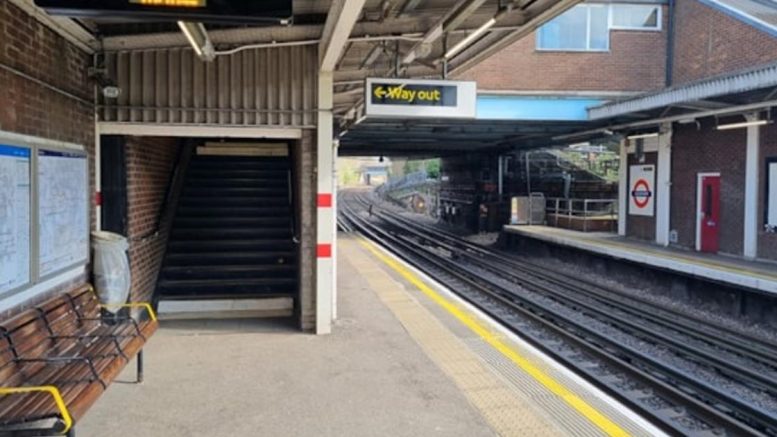

It was around 10.30pm that day when a passenger fell from the platform on to the track. The passenger lay undiscovered for around two minutes before being struck by an arriving train, which then stopped normally in the platform.
The train’s brakes then automatically applied as it left the station, due to part of a safety system coming into contact with the passenger.
An investigation into the cause of the brake action led to the discovery of the passenger, around 14 metres from where he had fallen on to the track. The passenger was fatally injured.
Investigators concluded the passenger lost his balance on the platform before falling on to the track. Staff were unaware the passenger had entered the station in a vulnerable state, or that he was on the track after falling.
CCTV evidence suggests the stricken passenger was aware a train was approaching and was probably attempting to move towards the platform, out of its path.
However, communication cables meant that there was insufficient space to allow a train to pass without contact.
The driver also did not see the passenger on the track, due to the contrast between a brightly-lit platform and dark track bed. The passenger’s dark clothing may also have impaired the driver’s sight.
RAIB identified two underlying factors. The first, a probable factor, is that London Underground’s standards relating to under-platform recesses were not being complied with.
The second, a possible factor, was that LU had not completed specific risk assessments for most platforms on its network.
RAIB made three recommendations, all addressed to London Underground.
The first recommends it reviews its standards relating to under‑platform recesses, to ensure they are effective and consistent.
The second recommends risk assessments for all platforms and appropriate controls put in place.
The final one relates to providing operational staff with the necessary guidance and training to safeguard people under the influence of alcohol.
Two learning points have been identified. The first is how a thorough track check can be effective in preventing further train movements when a person has fallen o nto the track.
The second highlights the importance of following company policy on routine drug and alcohol testing following serious accidents.